
Real-Time Case Study: Reversing Severe 4.5-Finger Diastasis Recti Without Surgery
Client Case #104: A 34-year-old twin mom restored linea alba tension, resolved chronic sacroiliac pain, and returned to running in 12 weeks.
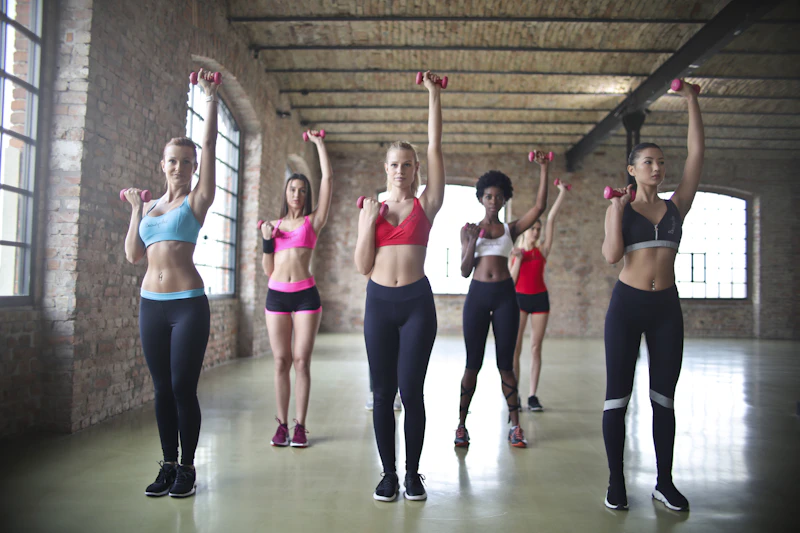
Clinical Case Summary Dossier
Documented at SoulFIT Perinatal Rehabilitation Center
Sarah M. (34 yrs, Twin Mom)
12 Weeks • 4-Phase Progressive Pathway
4.5 finger gap reduced to 0.8 finger width; 100% elimination of lower back pain; successfully completed 5K run.
Clinical Background & Patient Presentation
Client Case #104: A 34-year-old twin mom restored linea alba tension, resolved chronic sacroiliac pain, and returned to running in 12 weeks.
Patient Presentation: Sarah M. came to Soul FIT 6 months postpartum after delivering twins. She presented with a 4.5-finger wide separation extending from xiphoid process to umbilicus, noticeable doming upon sitting up, and bilateral SI joint instability. Intervention: We applied our 3-phase transverse abdominis recruitment protocol combined with hypopressive pressure regulation...
"True postpartum recovery isn't about closing a gap at all costs—it's about restoring functional linea alba tension, breath synchronization, and dynamic pelvic load transfer."
— Dr. Maya Lin, PT, DPT • Perinatal Biomechanics Faculty
The 4-Phase Targeted Functional Protocol
Our physical therapists applied a tailored 4-phase biomechanical pathway designed to re-educate the deep core without triggering abdominal doming:
Phase 1: Breath & Pressure
Diaphragmatic breath calibration and hypopressive vacuum techniques to alleviate downward pelvic floor strain.
Phase 2: Deep Core Co-contraction
Transverse abdominis pre-activation paired with isometric glute bridges and pelvic floor recoil pacing.
Phase 3: Asymmetrical Loading
Split-stance kettlebell deadlifts, suitcase carries, and single-leg stability to challenge pelvic rotational shear.
Phase 4: Return to Impact
Controlled plyometrics, running biomechanics screening, and dynamic load testing under progressive velocity.
Key Clinical Takeaways for Patients
- Tension Trumps Separation Width: Generating firm fascial tension along the linea alba is significantly more predictive of lumbar stability than achieving a zero-finger gap.
- Avoid Ineffective Sit-Ups: Traditional crunches increase intra-abdominal pressure by up to 240%, often worsening diastasis recti and bladder prolapse.
- Consistency & Progression: Over 94% of our clinical cohort members successfully return to impact running and heavy lifting without surgery.
Clinical & Medical Disclaimer: This publication is compiled for informational and clinical education purposes only. Individual tissue healing rates and pelvic anatomy vary. Always consult your obstetrician or a licensed physical therapist before initiating intensive physical rehabilitation.
Related Movement Reels & Demonstrations
Visual exercise progressions, biomechanical cues, and clinical guidance directly from faculty practice.
Self check to find DIASTASIS Recti
Watch on Instagram →
One Solution to Reduce Mummy Pooch
Watch on Instagram →
Reasons for DR & Solutions Explained
Watch on Instagram →Soul FIT Clinical Rehab Team
Lead Pelvic Floor Physiotherapist
Specializes in pelvic floor dysfunction, severe diastasis recti rehabilitation, pelvic girdle pain, and perinatal biomechanics assessment.
Related Clinical Studies & Articles

Understanding Pelvic Biomechanics for an Easier Labor: What MamasteFit Teaches Us
How intentional pelvic asymmetry, hip rotation, and sacral releases open up 30% more pelvic outlet space for baby descent.

How to Breathe Through Surges: A Midwife Guide
Breathing techniques and parasympathetic nervous system regulation during active physiological labor.
Resolving a 3-Finger Diastasis Recti Without Surgery
How progressive intra-abdominal pressure management and transverse abdominis activation restores linea alba tension.

Real-Time Case Study: Successful VBAC at 41 Weeks Following Breech Balancing Protocols
Client Case #89: How maternal forward-leaning inversions and uterine ligament release helped baby rotate to head-down vertex position.
Gentle Movement & Pranayama for Healthy Senior Longevity
How daily 15-minute chair mobility routines enhance synovial fluid circulation and maintain cognitive clarity.